
Wellesley City Directory Holdings
Wellesley’s historical directory shelf is anchored by the Historical Society’s documented run of Town Directories from 1883 to the present and Lists of Residents from 1902 to the present. Those are distinct series. A town directory is a year-specific publication with its own selection and notation practices, while the List of Residents derives from the local annual census and has its own municipal inclusion rules. Annual Reports, the 1941 to 1967 assessor lists, street photographs, maps, and Bunker real-estate files make the local collection broader than a name index alone.
| Local collection | Documented span | Custodian | Research access |
|---|---|---|---|
| Wellesley Town Directories | 1883-present | Historical Society and local-history shelves | Consult a volume; confirm title-page details locally |
| List of Residents | 1902-present | Historical Society and Town Clerk series | Arrangement changes by era |
| Annual Reports | 1881-present | Society, Library, Town Clerk | Town context, officials, projects |
| Assessor real and personal-property list | 1941-1967 | Historical Society | Property characteristics and values |
The official finding aids do not identify a single publisher for every Wellesley Town Directory volume. That gap matters. Confirm the title page, edition, and any abbreviation key before citing a volume, rather than assigning a publisher name that the local record has not verified.
Wellesley Resident Lists by Era
The List of Residents has a useful local split. Volumes from 1902 through 1920 are arranged alphabetically for men, while 1921 and later lists are arranged by street and precinct with male and female entries. An address-first search should therefore use the later street and precinct volumes when possible. For an earlier household, start with the surname and then compare the result with maps and a town directory. The shift is a filing change, not proof that a person appeared or disappeared from town overnight.
The Historical Society’s house-history research page is a useful first stop for the Street Name Index, which covers more than 500 Wellesley street names. It can help when a directory spells a road differently or when an older record uses a locality name that no longer appears on a current map.
Wellesley Directory Library Shelves
The Wellesley Free Library complements the Society’s archive with local directories, town reports, yearbooks, maps, historical pamphlets, and books. The library’s history material also links researchers to a timeline and local historical resources. Its digital collection route includes the Wellesley Townsman from 1906 through 2005, while later newspaper access is provided through NewsBank for library-card users. No official source found a digitized full run of Wellesley’s Town Directories, which makes the physical directory and List of Residents volumes important.
See the Wellesley Free Library local-history resources before arranging an in-person search. The image below shows that local-history gateway and its links to maps, newspapers, and the community timeline.
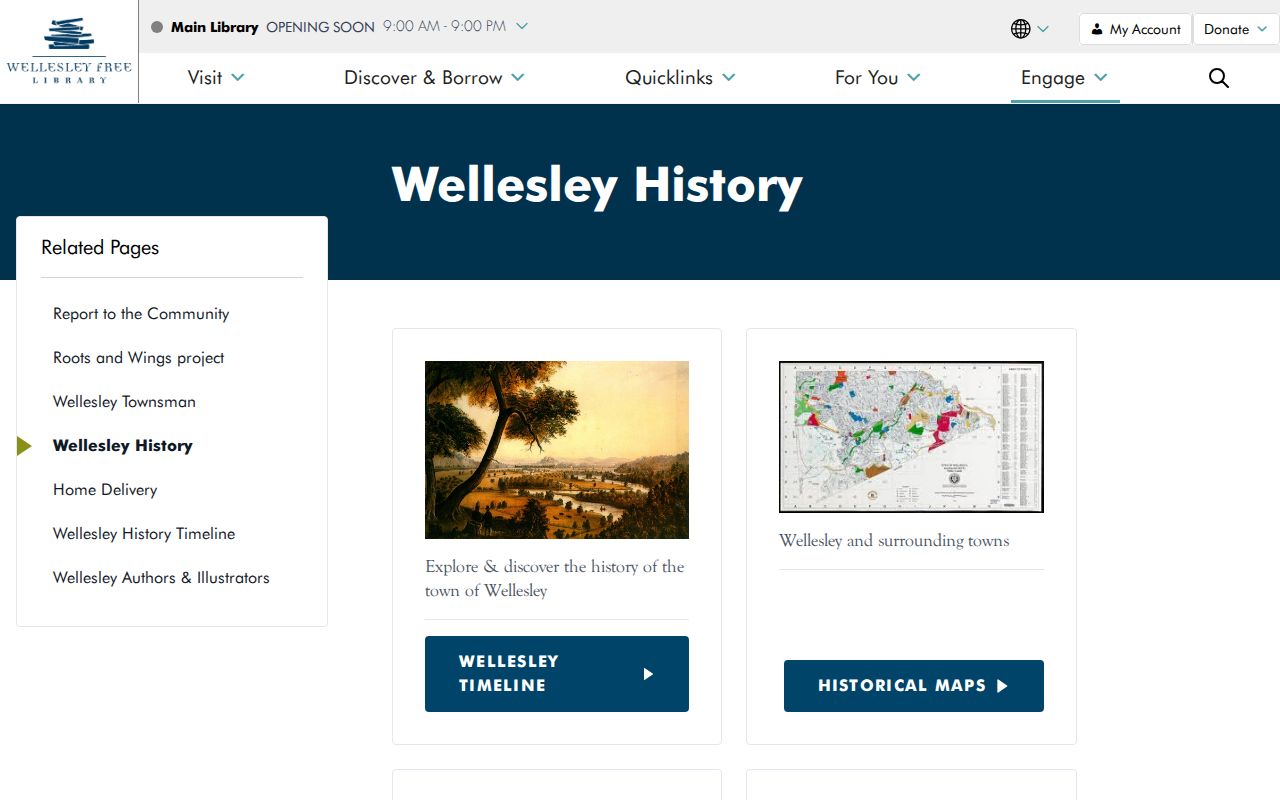
Library material is strongest when it is used beside the Society’s directories and map holdings, not as a substitute for them.
Garden Road Changes Wellesley Searches
Garden Road is a small but important Wellesley directory quirk. The Historical Society’s History Mysteries material says it is absent from the 1897 map and present on the 1919 map. A present-day street name should not be pushed backward without checking the map era. Use the 1856 Needham map for West Needham and Grantville context, the 1897 Atlas for the earlier street grid, and the 1919 Sanborn sheets for the later appearance. Then compare directory and List of Residents entries against the right street name and legal parcel description.
The Society’s maps and plans collection is the source route for that map stack. It also documents local atlases, Sanborn material, and architectural plans.

The collection includes more than 35,000 photographs and more than 2,798 maps and plans, giving a directory entry a visual and geographic context.
Reading a Wellesley Directory Entry
Read a city directory entry as a dated association, not as proof of a full household. Depending on the year, a volume may show a surname and given name, a spouse or family notation, a residence, a telephone number, an organization line, a widow or boarder notation, and cross-references. The exact Wellesley abbreviation key and field set were not available in the official online finding aids. Inspect the front matter of the volume before deciding what a mark means.
| Name and initials | Search surname variants, initials, and cross-references. |
|---|---|
| Household notation | A spouse or family reference may appear, but it is not a complete household census. |
| Street address | Compare the number and street spelling with the Street Name Index and maps. |
| Status notation | Widow, boarder, or similar notes require the volume’s own key. |
- Criss-cross directory
- An address-order directory that may place an occupant under a street rather than a surname. A verified Wellesley reverse-volume run was not located.
- Householder index
- An index focused on household heads or address associations, which may omit other people at the same address.
- Abbreviation key
- The front-matter legend that defines a particular volume’s shortened marks and terms.
Wellesley Directory Newspaper Trail
The Townsman and Wellesleyan can test a directory observation without turning one line into a conclusion. The digitized Wellesley Townsman covers 1906 through 2005 and may hold school, civic, property, obituary, and family references. Wellesley High yearbooks, known as the Wellesleyan collection in the library database description, cover 1931 through 2018. They provide a dated school identity and activities that may clarify two people with similar names.
The digitized Townsman archive supplies the newspaper search route shown here.
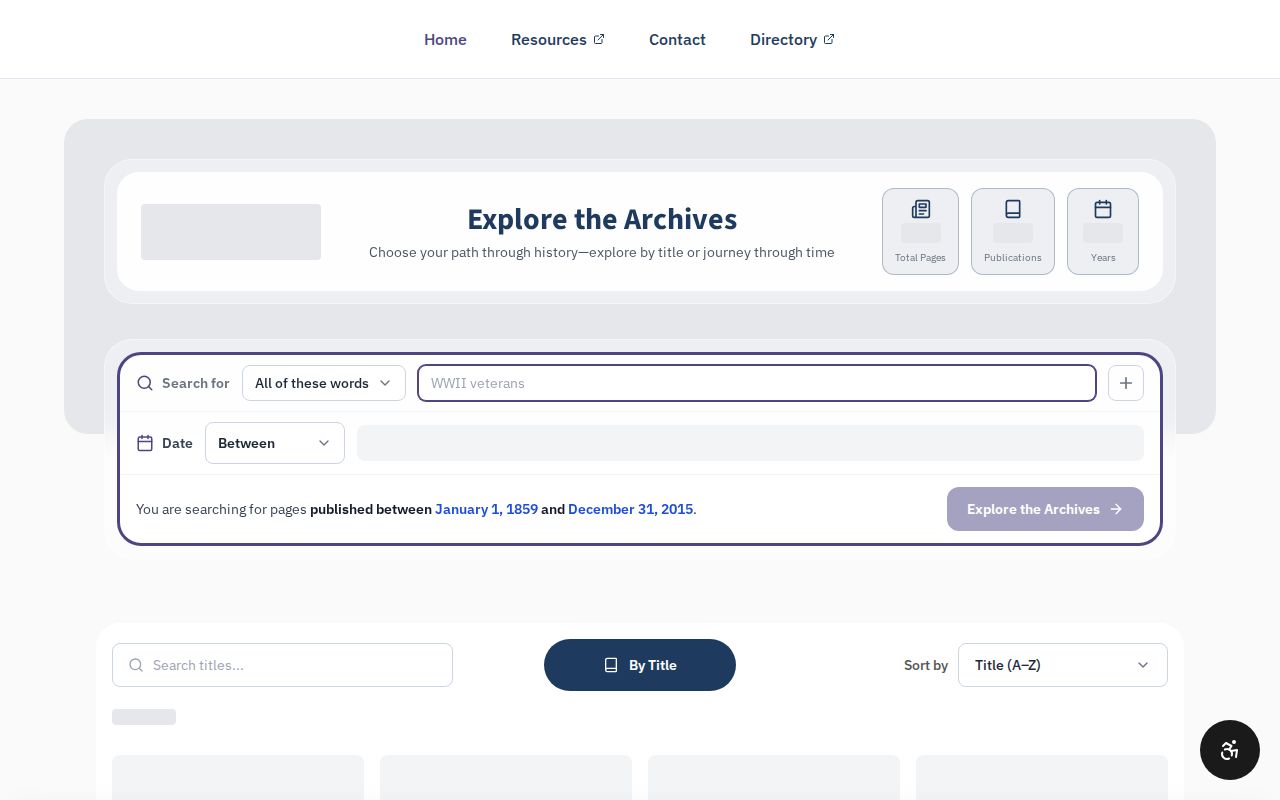
A newspaper notice can suggest a time and place, but the directory volume, municipal list, court file, or vital-record custodian remains the proper source for its own record type.
Wellesley Directory Access Choices
Wellesley has both digital and shelf-based routes, but they answer different questions. The Townsman archive can be searched online for its documented 1906 to 2005 run. The State Library holds city and town directories for most Massachusetts communities, Blue Books, town reports, tax valuations, atlases, Sanborn maps, and newspapers. Its exact Wellesley shelf rows were not machine-visible in the directory-holdings list, so call or consult the catalog before treating it as a complete duplicate of the local shelf.
The Society’s Research Your Home collection combines directories, Lists of Residents, maps, assessor lists, historic-home material, and the 1895 to 1955 Bunker real-estate files. The image records that local source route.
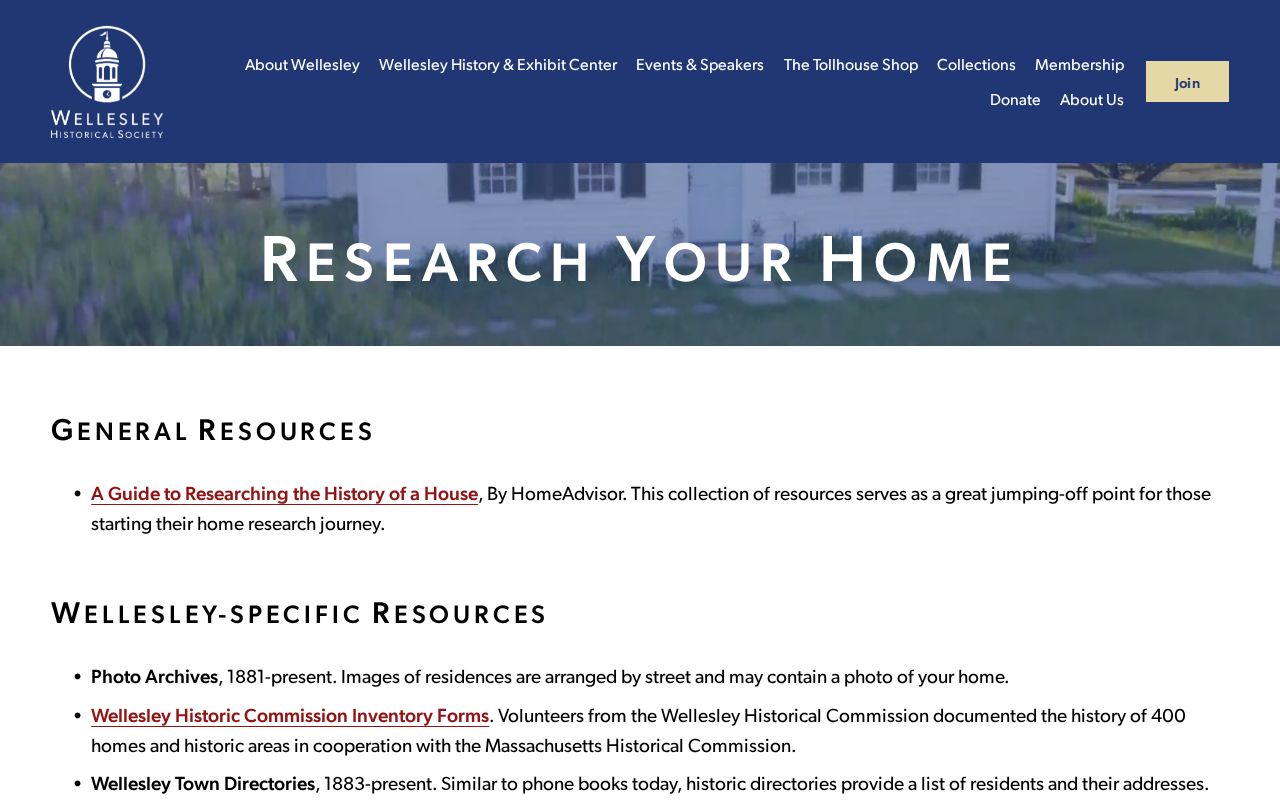
That mix is especially useful when a name must be connected to a house, map, or recorded deed rather than merely found in print.
Tracing Wellesley Directory Households
Start with the closest verified address or surname, then make a short timeline rather than jumping across decades. Use the 1921 and later street and precinct List of Residents for an address-led search. Check the alphabetical Town Directory in the same or nearest year for surname, initials, spouse forms, and cross-references. Repeat at five- or ten-year intervals. A first appearance may signal a move, but a missing entry can also reflect an omission, a temporary absence, a death, or a gap in the volume.
- Record the exact street spelling, number, precinct, and year from the first relevant local list.
- Check the Town Directory for the same year and note every cross-reference or alternate name.
- Compare nearby years, then pair the dates with assessor lists, annual reports, recorded deeds, permits, and newspaper notices.
- Use the public federal census years through 1950 as separate point-in-time household checks.
The local city directory collections are historical sources. A modern property question needs the current address-record route on the Wellesley Streets page, where the assessor and GIS tools are handled at street level.
Wellesley City Directory Chronology
Dates make the Wellesley directory shelf more useful. The local record trail begins with the Wellesley Town Clerk’s historical series after incorporation and then spreads across Wellesley directories, Wellesley resident lists, Wellesley newspapers, Wellesley maps, and Wellesley yearbooks. Each item has a different date and purpose. A Wellesley address in a 1919 map can establish that a street existed, while a Wellesley directory nearest that year may identify a listed household. A Wellesley newspaper item may add a dated event, but it does not replace the Wellesley directory or municipal record.
| Wellesley record point | What the date changes |
|---|---|
| 1881 Wellesley incorporation | Earlier material may be filed under Needham or West Needham. |
| 1883 Wellesley Town Directory run | First documented local directory point in the Society finding aid. |
| 1902 Wellesley List of Residents | Begins the local resident-list series. |
| 1906 Wellesley Townsman archive | Begins the digitized newspaper run. |
| 1921 Wellesley list arrangement | Later lists shift to street and precinct organization. |
| 1931 Wellesleyan yearbooks | Begins the documented school-yearbook collection. |
The Wellesley Historical Society also documents Wellesley street photographs from 1881 forward, Wellesley assessor lists for 1941 through 1967, and Wellesley map collections spanning several eras. Build a Wellesley household timeline with those dates beside each Wellesley source. It prevents a researcher from reading two Wellesley items as if they described the same moment.
Pre-1881 Wellesley Directory Names
Wellesley became a town on April 6, 1881 after being part of Needham and West Needham. Earlier deeds, maps, church registers, census entries, and directories may therefore be filed under Needham, West Needham, Dedham, or the locality used by the record maker. The 1883 start of the documented town-directory run follows that change. Searching those earlier names is often the practical fix for an apparently missing Wellesley household.